
When exploring alternative education options, many families find themselves deciding between microschools and homeschooling. Both approaches offer flexibility and personalization, but they cater to different needs and goals. Understanding their distinctions can help you choose the best path for your family.
1. Defining Microschools and Homeschooling
Microschools
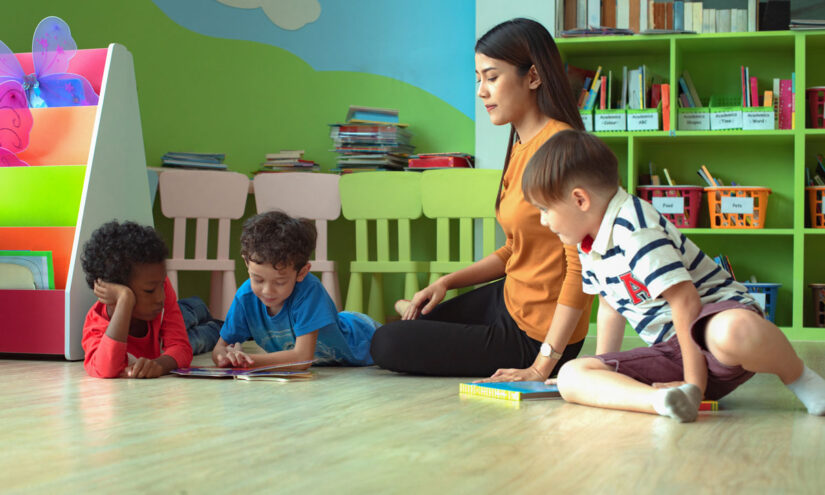
Microschools are small, community-based schools that often serve fewer than 40 students. They blend the benefits of traditional schooling with the personalized nature of homeschooling. Microschools may follow a specific curriculum, focus on unique learning philosophies, or offer niche programs like STEM, arts, or faith-based education.
Homeschooling
Homeschooling is a parent-led educational approach where families take full responsibility for their child’s learning. Parents design or choose the curriculum, teach the material, and oversee assessments. This method allows for complete customization of the learning experience. Sometimes several homeschooling families joint together to form a learning pod.
2. Key Differences Between Microschools and Homeschooling
Structure and Accountability
- Microschools: These typically operate with a set schedule, structured curriculum, and trained educators. Parents have partial direct responsibility for day-to-day instruction but remain involved in their child’s progress.
- Homeschooling: Parents have full control over the structure and curriculum. They set the pace, schedule, and methods of instruction, requiring significant time and planning.
Community and Socialization
- Microschools: Students interact with peers in a collaborative setting, creating opportunities for teamwork, social learning, and friendships. Many microschools emphasize community building.
- Homeschooling: Socialization often depends on extracurricular activities, homeschool co-ops, or community groups. Families must take initiative to ensure regular peer interaction.
Curriculum and Learning Styles
- Microschools: While they often use pre-established curricula, many microschools are flexible enough to adapt to individual learning needs. They may focus on experiential learning, project-based education, or specialized themes.
- Homeschooling: Parents have unlimited freedom to select or design curricula that align with their child’s learning style and interests. This can be an advantage for families with specific educational goals.
Parent Involvement
- Microschools: Parents collaborate with educators but are not the primary instructors. This is ideal for working parents or those who prefer a shared responsibility model.
- Homeschooling: Parents are fully engaged as both educators and administrators, which can be rewarding but also time-intensive.
3. Benefits of Microschools
- Expert Instruction: Educators at microschools bring professional expertise, providing high-quality instruction.
- Balance for Parents: Parents can focus on supporting their child’s education without being solely responsible for teaching.
- Community Connections: Students benefit from a close-knit learning environment that fosters relationships and teamwork.
- Consistency: Microschools provide a structured schedule, which can be beneficial for families needing predictable routines.
4. Benefits of Homeschooling
- Flexibility: Homeschooling allows families to set their own schedules, making it ideal for those who travel or have unique needs.
- Customization: Parents can tailor education to their child’s strengths, interests, and pace.
- Strong Family Bonds: Homeschooling offers opportunities for meaningful family engagement.
- Cost Control: Families can manage their budget by choosing cost-effective materials and resources.
5. How to Decide Which Is Best for Your Family
When determining the right fit, consider the following questions:
- How much time and effort can you dedicate to your child’s education?
- Does your child thrive in group settings, or do they prefer one-on-one instruction?
- What level of structure and accountability do you want?
- Are you seeking a particular educational philosophy or specialized curriculum?
6. Why ParagonED Might Be the Perfect Fit
If you’re leaning toward a microschool model, ParagonED offers an innovative approach to education. We combine the personalized attention of homeschooling with the structure and community of a traditional school. Our focus on Critical Life Skills, Business Experience, and Kingdom Values sets us apart.
At ParagonED, students:
- Learn in small, safe, supportive groups.
- Engage in real-world projects that prepare them for future success.
- Receive individualized support from experienced educators.
Ready to Explore Your Options?
Choosing between microschooling and homeschooling is a significant decision, and we’re here to help. Contact ParagonED today to learn more about our unique educational model and whether it’s the right choice for your family. Stay connected by following us on social media and signing up for our newsletter to stay informed about education trends and opportunities!
Leave a Reply